
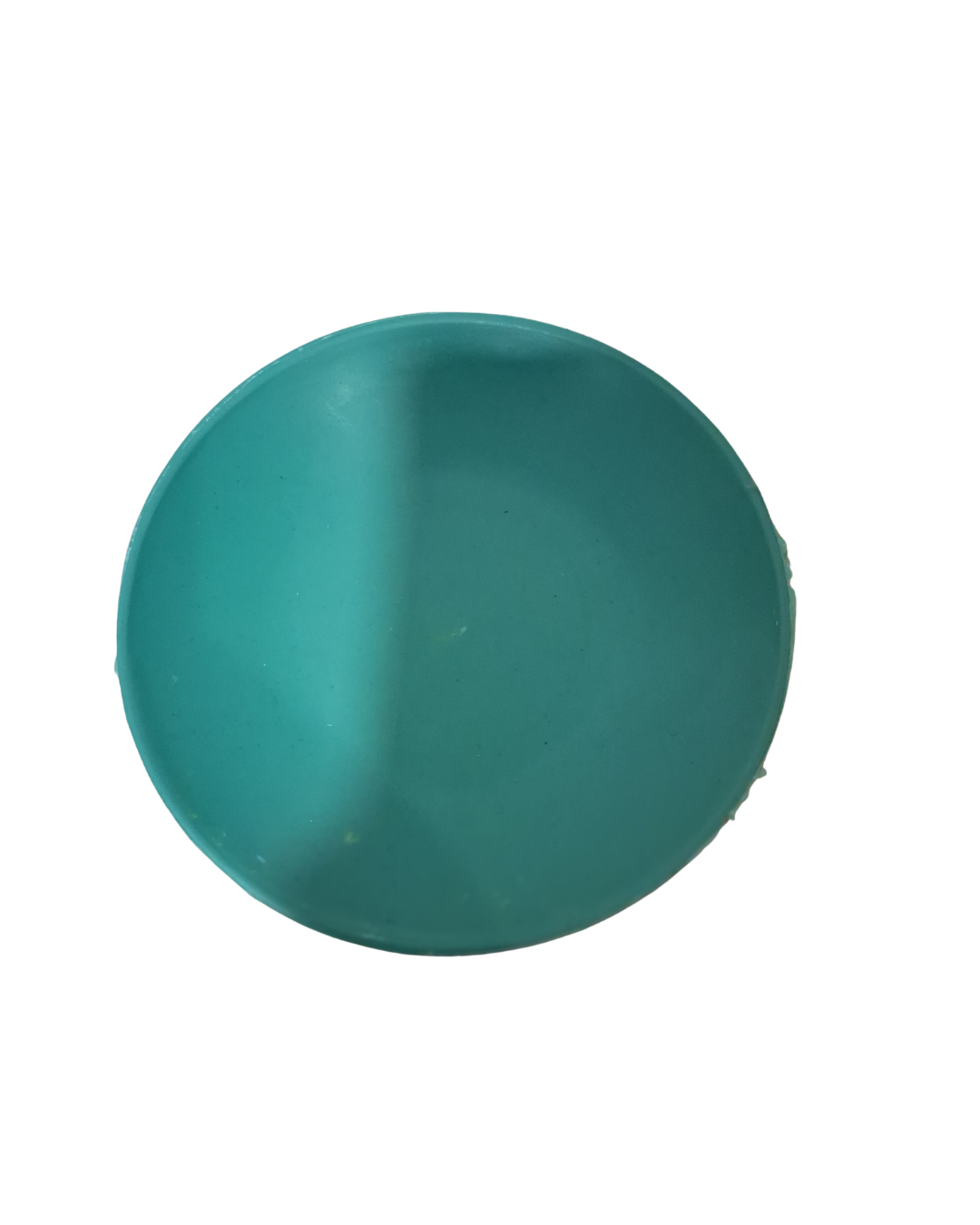
Description1. Product OverviewA Swallow Scooper (Small Igbako) is a traditional food‑serving utensil used in Nigerian and West African kitchens specifically for handling swallow foods — dense starchy staples like amala, eba, fufu, semovita, and pounded yam. It’s designed to make scooping and serving these sticky foods easier and neater than using hands or regular spoons. The small size makes it ideal for personal or household use. 2. OriginName: Igbako (a Yoruba word meaning “serving spoon” or “food scooper” in English). Culinary Region: Nigeria and West Africa — an essential tool in households and eateries where swallow meals are prepared often. 3. Ingredients / MaterialsSwallow scoopers come in different materials depending on the version you choose:Plastic: Lightweight and easy to clean, common in modern kitchens. Wood: Traditional option with a natural feel and durability. Calabash / Natural Materials: Traditional hand‑carved versions also exist and are sometimes used for cultural authenticity. There are typically no food ingredients — it’s a serving tool, not a food product.4. Nutritional InformationNot applicable — this is a kitchen utensil/tool, not a consumable food item.5. Usage InstructionsWash the scooper thoroughly before first use. Use the Igbako to scoop swallow foods (e.g., eba, fufu, amala) from the pot directly onto plates. It can also be used to shape the swallow food into neat portions or create a small well in the centre for soups or stews, which is traditional for serving. After use, wash with warm soapy water and dry before storing.6. Storage ConditionsStore in a dry kitchen area.If wooden, keep away from prolonged moisture to avoid warping or splitting. If plastic, keep clean and protected from direct heat.7. SummaryThe Small Igbako (Swallow Scooper) is a traditional serving utensil from Nigerian culinary culture, used to scoop and portion starchy swallow foods such as eba, fufu, and amala with ease. It helps create neat servings and even makes a small indentation to hold soup, enhancing both presentation and eating experience. Available in plastic, wood, or natural materials, it’s a simple but essential tool in kitchens where traditional African dishes are prepared.
Related products
-25%
-17%